
Orlando, Florida Aug 13, 2026 (Issuewire.com) Serial Privacy Lawsuits Target Florida Healthcare Websites; ConsentAnchor Launches Free Scan to Help Practices Assess Exposure
Florida healthcare websites face a wave of privacy lawsuits over tracking pixels. ConsentAnchor offers a free scan so practices can assess their exposure.
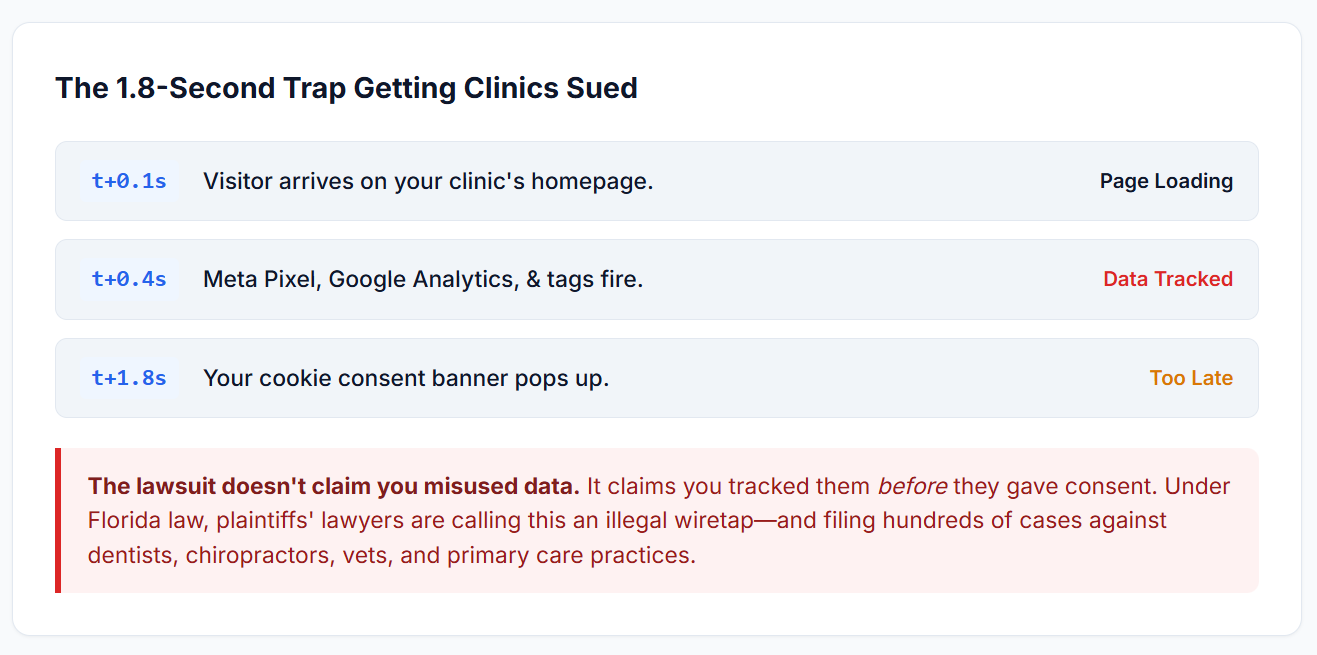
A wave of privacy lawsuits filed under the Florida Security of Communications Act (FSCA) is targeting healthcare websites across the state, and many practice owners do not know they are exposed until a summons arrives. ConsentAnchor, an Orlando-based consent management platform, has launched a free website scan that shows healthcare practices exactly which tracking technologies on their sites are being cited in these lawsuits.
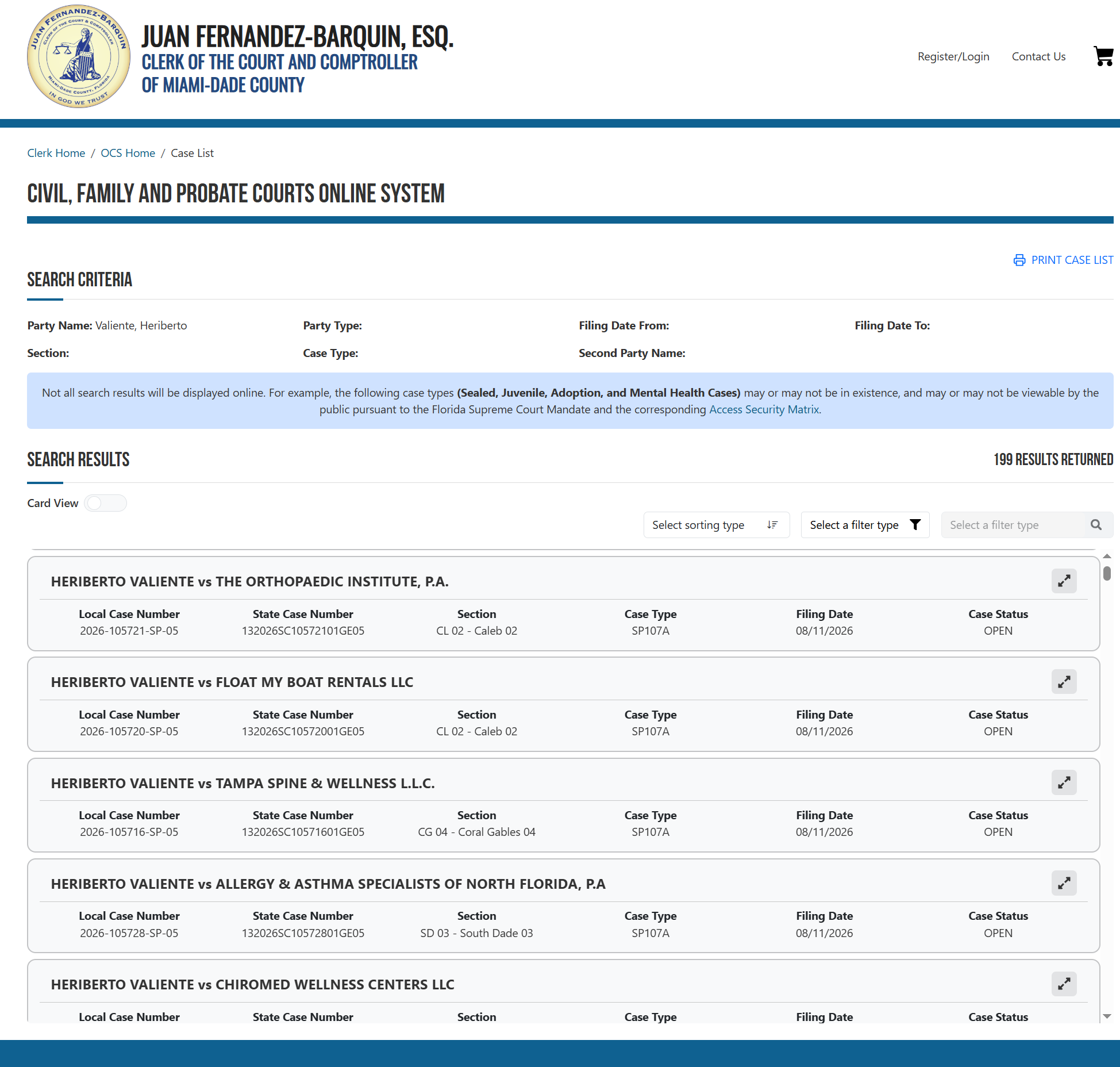
The lawsuits allege that common website tools analytics scripts, advertising pixels, session-recording software, and chat widgets function as illegal “pen register and trap and trace” devices when they capture visitor data without consent. One plaintiff alone has filed more than 100 substantially similar suits against Florida businesses, a large share of them healthcare and chiropractic practices.
The demands are commonly in the thousands, with statutory theories supporting five-figure exposure.
“The math is what practice owners don’t see,” said Steven Miller, founder of ConsentAnchor. “A clinic spends $500 a month on Google Ads, installs the tracking pixel Google tells them to install, and that pixel becomes the exhibit in a lawsuit demanding $10,000 or more. The tool they bought to make money is the tool being used to take it. Most owners would pay almost anything to make that risk disappear and the fix costs less than one billable patient visit.”
Healthcare practices are disproportionately represented among defendants because health-related browsing data is treated as especially sensitive, and because plaintiffs’ attorneys know medical practices tend to settle rather than litigate. Settlement demands in these cases commonly run into the thousands of dollars often much more than the annual cost of compliant consent tooling.
“Practice owners keep asking the wrong question,” Miller said. “They ask, ‘What are the odds I get sued?’ The right question is, ‘What does it cost me if I do, versus what does it cost me to be un-suable on this issue?’ One side of that ledger is a five-figure settlement, attorney’s fees, and weeks of distraction. The other side is a scan that takes sixty seconds and costs zero dollars. That’s not a decision. That’s arithmetic.”
How the Free Scan Works
The ConsentAnchor scan analyzes a practice’s public website and produces a report identifying:
- Tracking scripts, pixel, and session-recording tool currently firing on the site
- Whether the site presents a consent mechanism before those tools collect visitor data
- Specific gaps in the site’s privacy policy language related to communication interception
Practices receive the report at no cost and with no obligation. For sites with identified exposure, ConsentAnchor provides a self-hosted consent management platform that blocks tracking technologies from loading until a visitor affirmatively consents the core safeguard at issue in the current litigation.
“We built ConsentAnchor because the vendor options didn’t fully address the issues that were brought about in these complaints” Miller said. “Healthcare practices deserve a straight answer about their exposure before they’re asked to spend a dollar. That’s why the scan is free. If the report comes back clean, they lose nothing. If it doesn’t, they found out from us instead of from a process server.”
Healthcare practices in Florida can request the free scan at https://app.consentanchor.com/scan .
About ConsentAnchor
ConsentAnchor is an Orlando, Florida-based consent management platform built for healthcare practices. It provides website scanning, consent banners, and privacy policy tooling designed to address tracking-technology litigation risk under Florida and federal communication privacy statutes.
Source :Consent Anchor
This article was originally published by IssueWire. Read the original article here.


