
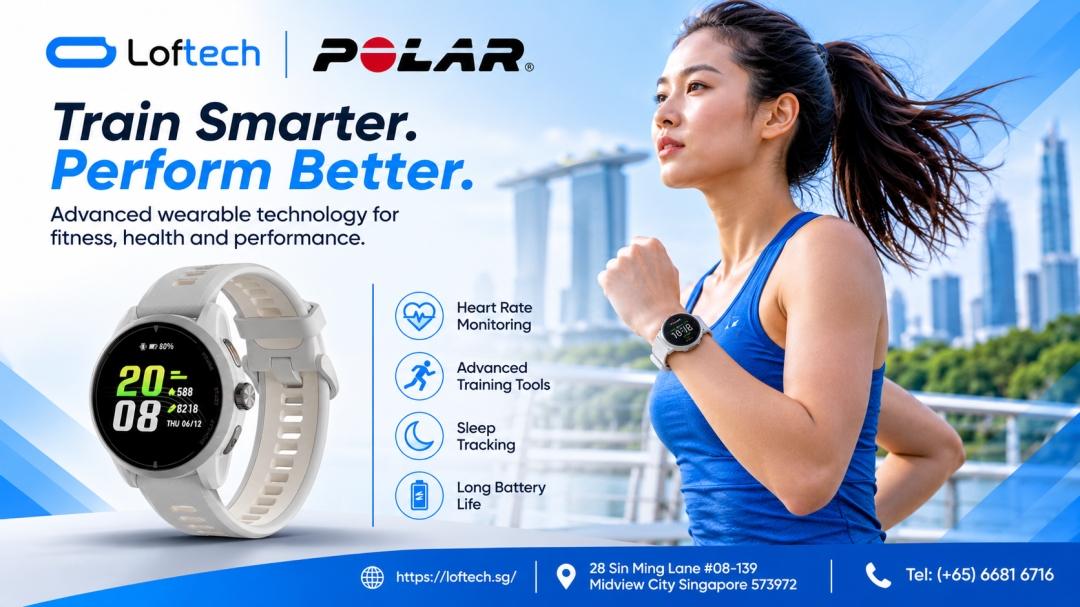
Singapore – Nov. 26, 2026 – A polar watch is designed to help users monitor their daily physical activity, exercise performance, heart rate, and overall fitness progress. Whether you use it for walking, running, cycling, or general wellness tracking, accuracy is an important factor when choosing a fitness wearable. Understanding how reliably it measures daily activity can help you make better decisions about your exercise habits and health goals.
Modern fitness watches use advanced sensors and tracking technology to collect information throughout the day. From counting steps to estimating calories burned, these devices provide useful insights into personal activity levels. However, how accurate are these measurements, and can you rely on them for everyday fitness monitoring?
How Does a Polar Watch Track Daily Activities?
A fitness watch uses several built-in sensors to monitor movement and physical activity. These sensors collect data and translate it into measurable fitness information.
Common tracking features include:
-
Step counting: Measures walking and running movements using motion sensors.
-
Heart rate monitoring: Uses optical sensors to estimate heart rate through the wrist.
-
Calorie tracking: Estimates energy expenditure using activity data and personal information.
-
Sleep tracking: Monitors nighttime movement and physiological indicators to estimate sleep patterns.
-
Activity monitoring: Tracks daily movement, exercise duration, and periods of inactivity.
Combining these measurements gives users a broader understanding of their daily activity levels.
How Accurate Is a Polar Watch for Different Fitness Measurements?
Accuracy can vary depending on the activity being monitored, sensor placement, device settings, and individual physiology.
1. Step Counting Accuracy
Step counting is one of the most common features of fitness watches. Motion sensors detect repetitive wrist movements associated with walking and running.
A Polar fitness watch can provide useful estimates of daily steps, although certain movements may affect the results. For example, pushing a shopping cart, carrying objects, or performing activities that involve limited arm movement may cause some steps to go unrecorded.
For everyday activity monitoring, step counts are generally useful for identifying movement patterns and tracking progress over time.
2. Heart Rate Monitoring Accuracy
Heart rate monitoring helps users understand exercise intensity and cardiovascular responses during physical activity.
Wrist-based optical heart rate sensors use light to detect changes in blood volume beneath the skin. While this technology works well for many everyday activities, accuracy can vary during high-intensity workouts, sudden movements, and exercises involving wrist tension.
For more consistent readings, users should wear their watches securely above the wrist bone without making the strap uncomfortably tight.
3. Calorie Burn Estimates
Calorie tracking provides an estimate of how much energy the body uses throughout the day.
These calculations typically consider several factors, including:
-
Age and body weight
-
Height and personal profile information
-
Heart rate measurements
-
Exercise duration
-
Activity intensity
Although calorie estimates can help users understand general energy expenditure, they should not be treated as exact measurements. Individual metabolism, fitness levels, and other physiological differences can influence actual calorie consumption.
4. Sleep and Recovery Tracking
Sleep tracking allows users to monitor sleeping patterns and understand their recovery habits.
Depending on the watch model, sleep monitoring may include estimated sleep duration, sleep stages, interruptions, and recovery-related measurements.
These insights can help identify changes in sleeping routines. However, wrist-based sleep tracking provides estimates rather than the same level of measurement as a clinical sleep assessment.
What Factors Affect Fitness Watch Accuracy?
Several factors can influence the reliability of daily activity measurements.
Wearing position: A loose or incorrectly positioned watch can interfere with sensor readings.
Movement intensity: Sudden movements and high-intensity exercises may affect optical heart rate measurements.
Individual differences: Skin characteristics, wrist anatomy, circulation, and other physiological factors can influence sensor performance.
Device settings: Incorrect personal information may affect calorie calculations and other fitness estimates.
GPS conditions: Outdoor tracking accuracy may vary depending on satellite availability, surrounding buildings, trees, and environmental conditions.
Understanding these limitations helps users interpret their fitness data more realistically.
How Can You Improve Daily Activity Tracking Accuracy?
Getting more reliable measurements does not always require additional equipment. Simple adjustments can improve the quality of the information collected by your fitness watch.
Consider these practical tips:
-
Wear the watch securely and position it correctly on your wrist.
-
Keep your personal profile information updated.
-
Select the appropriate workout mode before exercising.
-
Allow GPS signals to stabilize before starting outdoor activities.
-
Keep your device software updated.
-
Review activity trends over several weeks instead of focusing on individual readings.
Consistency is particularly important when using fitness data to monitor improvements in physical activity and exercise performance.
Why Is Consistent Activity Monitoring Important?
Daily activity tracking helps individuals understand how their lifestyle influences their fitness progress. Instead of relying entirely on how physically active they feel, users can review measurable information about their movement, exercise duration, and recovery habits.
For people developing healthier routines, tracking daily steps and workout frequency can encourage accountability. Athletes and fitness enthusiasts can also use activity data to evaluate training consistency and identify areas that need improvement.
Loftech provides access to wearable biometric monitoring solutions that support activity tracking and performance monitoring. Having access to relevant fitness information can help individuals and organizations make more informed decisions about physical activity and performance management.
Conclusion
A Polar watch can provide useful and reasonably reliable measurements for everyday activity tracking, including steps, heart rate, calories, and sleep patterns. However, accuracy varies depending on the measurement, activity type, device positioning, and individual characteristics. These readings are best used to identify long-term trends rather than treated as perfectly precise measurements. With proper usage and consistent monitoring, a Polar watch can be a valuable tool for understanding daily activity and supporting fitness goals. Loftech offers wearable monitoring solutions that help users explore practical ways to track physical activity and performance.
About Us
Loftech.sg is Singapore’s leading technical consultant and distributor of enterprise wearable biometric solutions. We specialize in helping organizations across government, corporate, construction, and sports sectors implement wearable monitoring systems that deliver measurable operational and performance improvements.
Media Contact
Company Name: Loftech
Contact Person: Vanessa
Email: Send Email
Phone: (+65) 6681 6716
Address:28 Sin Ming Lane #08-139 Midview City
City: Midview City
Country: Singapore
Website: https://loftech.sg/
Press Release Distributed by ABNewswire.com
To view the original version on ABNewswire visit: How Accurate Is a Polar Watch for Daily Activity Tracking?