
Key Takeaways
- Regrowth from overplucked brows can take at least two to three months to appear, and restoring a full shape may take up to a year, depending on how damaged the follicles are
- Repeated plucking can leave some follicles permanently dormant or scarred, which means certain sparse patches may never fill back in
- Peptide-based serums are a reasonable starting point for sparse brows, though a full trial of eight to twelve weeks is usually needed before judging results
- Prostaglandin-analog ingredients like bimatoprost can speed up brow growth but carry risks including eyelid skin darkening and permanent changes to eye color
- If a patch shows no growth after four to five months, a dermatologist can discuss options such as microblading or a follicle transplant
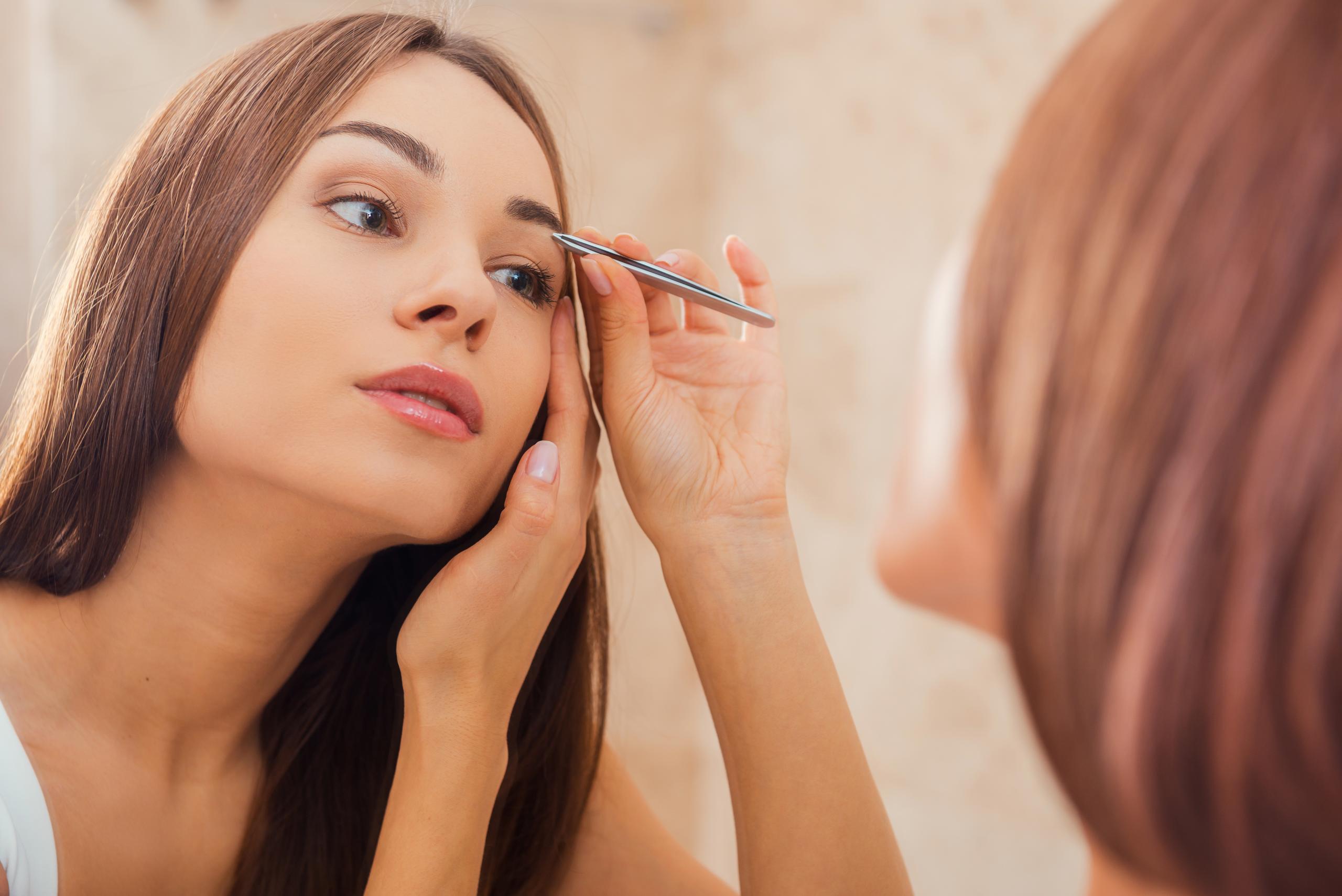
Overplucked brows feel like a small disaster in the moment, but the fix usually starts with doing less, not more. The urge to tweeze a few more stray hairs to even things out often makes the problem worse, turning a temporary setback into a longer wait for regrowth. With the right pause, the right shaping habits, and a little patience, most brows can find their way back to a natural, balanced look.
Put Down The Tweezers First
The single most important step after overplucking is also the simplest: stop removing hair in that area completely. Every hair that gets pulled, waxed, or shaved resets the follicle’s growth clock, so even one or two “cleanup” plucks a week can stall progress for the entire brow. A full break from tweezers, wax strips, and razors gives dormant follicles the best possible chance to wake back up and start producing hair again.
This means resisting the habit for weeks, not days. Brow hair grows slower than hair almost anywhere else on the body, so results will not show up overnight. Sticking to a no-pluck rule during this phase is the foundation that every other step in this guide builds on, and consistency matters more than any single product during the growing-out phase.
Why Some Follicles Won’t Come Back
Understanding why brows thin out unevenly makes the waiting game easier to accept. Overplucking does more than remove hair; it can change how the follicle underneath behaves, sometimes permanently.
The Mechanical Damage Behind Patchy Brows
Each time a hair gets yanked out at the root, the follicle absorbs a small amount of trauma. Repeat that hundreds of times over the same stretch of skin, and some follicles respond by entering a prolonged resting state, while others scar over and shut down for good. This is why a brow line that looked full in earlier years can turn patchy and uneven later, even long after the tweezing habit has stopped. The damage builds up from repeated mechanical stress and does not simply resolve once plucking ends.
How Long Regrowth Actually Takes
Patience matters here. New growth typically takes at least two to three months to become visible, and restoring a full, even shape can take up to a year, depending on the extent of the damage, individual hair growth speed, and how many follicles were affected. Hair growth cycles also play a role: every hair follicle moves through a growth phase, a transition phase, and a resting phase, and brow hairs spend relatively little time in the active growth phase, which is part of why they come back so slowly compared to hair on the scalp. If an area shows no sign of life after about four months, that is generally the point to loop in a dermatologist rather than waiting indefinitely.
Surviving The Awkward Regrowth Phase
The in-between stage, where some hairs are growing and others are still missing, is often the hardest part to get through. A few smart habits can make the wait far less frustrating.
Shaping Without Tweezing The Arch
It is tempting to tidy up stray hairs as they appear, but avoiding tweezing within the arch itself is one of the most useful things to practice during regrowth. Letting new hairs grow in without interference helps them settle into the shape the brow is meant to take, rather than forcing a premature edit that could set progress back. Any shaping that does happen should stay limited to hairs clearly outside the natural brow line, far from the areas that need to fill in.
Disguising Unevenness With Makeup
A wax-based brow pencil or tinted gel can do a lot of visual heavy lifting while hair fills back in, filling gaps and softening uneven patches without touching the skin or follicles underneath. Makeup applied to the surface does not interfere with regrowth happening below it, so filling in brows during this stretch will not slow things down. This is largely a cosmetic bridge rather than a treatment, but it makes the months-long wait far more bearable day to day.
Choosing A Growth Serum Wisely
Once the no-plucking habit is locked in, a growth serum can be a reasonable next step for brows that need extra support. Picking the right type matters, since a gentle formula will not do much for severely damaged follicles, and a prescription-strength option can be more risk than a mildly thin brow actually needs.
Peptide Formulas As A Starting Point
Peptide-based serums are generally considered the most sensible entry point for someone recovering from overplucking. Hair and beauty brand Trybello explains that peptides are short chains of amino acids that signal skin cells to behave differently. In brow serums, they are intended to prompt dormant follicles to restart their growth cycle. Visible density changes from consistent use may show up within four to eight weeks, says Trybello, though a full trial period of eight to twelve weeks is a more realistic window before judging whether a formula is working.
Prostaglandin Options And Their Risks
Prostaglandin-analog ingredients, with bimatoprost being the most studied example, represent a strong category of brow and lash growth serums. But that strength comes with real trade-offs. Potential side effects include:
- Darkening of the eyelid skin where the product is applied
- Changes to iris pigmentation that are likely permanent, including a shift toward brown eye color
- Eye itching, dryness, irritation, or redness
- Unexpected hair growth anywhere the product repeatedly touches skin
- Blurred or decreased vision, which warrants prompt medical attention if it occurs
Given this risk profile, prostaglandin-analog serums are generally better suited to more severe or stubborn cases rather than a first move for mild overplucking. Most dermatologists and beauty brands are moving away from prostaglandin-based serums, so anyone considering this route should weigh the supposed faster timeline against the possibility of permanent cosmetic side effects before starting. Remember, all hair follicles follow their own growth cycle timeline.
When To See A Dermatologist
Most overplucked brows recover with time, patience, and consistent care, but some patches genuinely need professional input rather than another few months of waiting.
Signs A Patch Won’t Self-Correct
If a section of brow shows zero growth response after four to five months of consistent, hands-off care, that is a reasonable signal that the follicle may no longer be active. A flat non-response after that much time usually means more serum or more waiting will not change the outcome. Eyebrow thinning can also have causes beyond plucking, so persistent or unexplained hair loss deserves medical attention rather than being treated as a cosmetic issue alone.
Microblading And Transplant Alternatives
For areas that do not respond, a dermatologist can walk through alternatives suited to permanently bare patches. Microblading recreates the look of individual hairs with semi-permanent pigment, offering a shaped, filled-in appearance without relying on actual regrowth. A follicle transplant is a more involved option that physically moves active hair follicles into the bare area, and a dermatologist can also discuss other in-office approaches for stubborn spots.
Patience Protects Your Natural Shape
The fastest way to make overplucked brows worse is to keep tweezing while waiting for them to look finished. Letting go of that urge, even for a few months, protects whatever natural shape and density is still available to work with. Shaping gently around the edges, using makeup to bridge the awkward in-between stage, and choosing a serum that matches the actual severity of the damage all work together rather than as separate fixes to regrow your brows back to a fuller, more natural shape.
Trybello LLC
40 SW 13th St
Ste 902
Miami
Florida
33130
United States